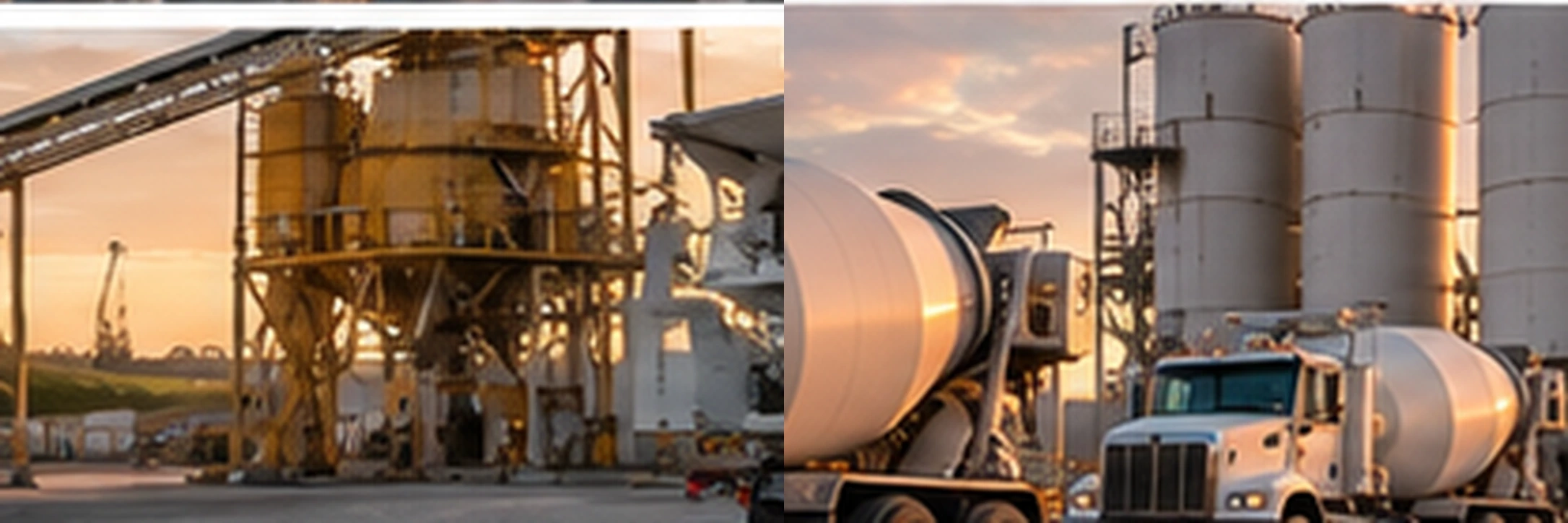
Dry-batch and wet-batch concrete plants can use many of the same storage, weighing and material-handling components, but the key difference is where the concrete is mixed. In a dry-batch or transit-mix workflow, measured ingredients are loaded into a truck mixer for mixing. In a wet-batch or central-mix workflow, a plant-mounted mixer combines the materials before discharge. That difference affects plant layout, truck workflow, maintenance and the products an operation can efficiently produce.
1. The central question: where does mixing happen?
Dry plants batch aggregates, cementitious materials and water for mixing in the truck. Wet plants add a central mixer. Some modern plants can be configured for dry, wet or dual-lane operation, so buyers should verify the exact included configuration instead of relying only on a model name.
2. Dry batch can keep the plant mechanically simpler
Without a central mixer, a dry-batch plant may have fewer high-wear mixing components at the plant itself. The truck mixer becomes a critical part of the production process. Evaluate loading sequence, truck-mixer capacity, water control, dust collection and available mixing time before delivery.
3. Wet batch adds centralized mixing
A wet-batch plant mixes concrete before it enters the delivery vehicle. Central mixing can support applications that benefit from controlled mixing energy and repeatable cycles. The tradeoff is additional equipment: mixer drives, liners, gates, washout systems, access platforms and cleaning requirements.
4. Production rate is more than a nameplate
Actual output depends on batch size, weighing speed, mixer cycle, truck positioning, discharge time, material replenishment and traffic flow. When comparing used plants, ask for the actual configuration and historical operating rate rather than assuming a published maximum will be achieved on your site.
5. Concrete type can drive the decision
Liebherr notes that adding a mobile twin-shaft mixer to a dry dosing plant can expand the mixes the system can produce, including roller-compacted, cement-treated-base and self-compacting concrete. The broader lesson is that product mix matters. A plant built mainly for conventional ready-mix delivery may have different needs from a paving, precast or specialty operation.
6. Maintenance moves to different places
| Area | Dry batch | Wet batch |
|---|---|---|
| Primary mixing equipment | Truck mixer | Plant mixer |
| Plant cleaning load | No central mixer to clean | Includes mixer, gates and discharge area |
| Wear focus | Batching components plus truck drums | Batching components plus mixer liners, arms and drives |
| Configuration complexity | Often simpler | More plant-mounted mixing systems |
7. Site layout and truck flow matter
Measure available height, lane count, truck approach, turning space, aggregate feed arrangement, silo placement and washout area. A plant that fits the production target but creates truck congestion can lose much of its theoretical capacity.
8. Verify exactly what is included in a used plant
Used plants are frequently sold as groups of modules. Confirm bins, scales, silos, dust collectors, screws, conveyors, mixer, control system, air system, water equipment, load cells, electrical panels and structural steel. Compare the equipment list with drawings and controls documentation.
9. Choose by workflow, not by label
A dry plant can be the right choice for a straightforward transit-mix operation. A wet plant can be the right choice where central mixing or specialty production is important. Dual configurations may offer flexibility but also add equipment and operating complexity.
The takeaway
Dry versus wet batch is fundamentally a process decision. Map where mixing should happen, what products you need to make, how trucks move through the plant and what maintenance resources are available. Then compare used plants against that operating plan.
Related BigEquipCo guides: Portable vs. Stationary Batch Plants, Used Concrete Batch Plant Buying Guide and Concrete Batch Plant Cement Handling.