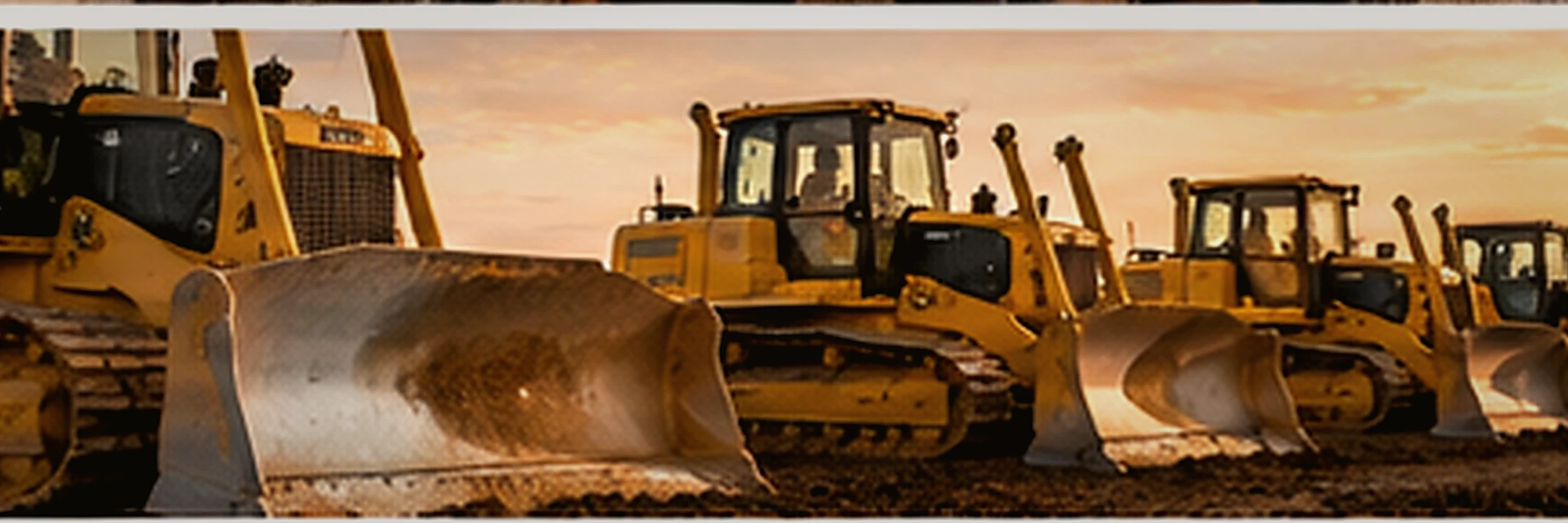
A used bulldozer can look simple from the outside, but a few high-cost systems can change the economics of the purchase quickly. The undercarriage, blade and push arms, hydraulics, drivetrain and machine history deserve more attention than fresh paint or a clean cab.
The goal is not to find a machine with zero wear. It is to understand what is worn, how much life remains, what work is likely next and whether the asking price reflects that condition.
1. Start with the machine identity and history
Confirm the model, serial or PIN, indicated hours, blade configuration, track setup and any ripper or winch equipment. Ask for maintenance records, major component repairs, undercarriage work and fluid-analysis history if available. A documented repair history can be more useful than a low hour meter with no context.
2. Treat the undercarriage as a major buying decision
Inspect track shoes, links, pins, bushings, rollers, idlers, sprockets, guards and track tension. Look for uneven wear from side-hill work, damaged shoes, sharp sprocket teeth, oil leakage at rollers or idlers and signs that one side is wearing differently from the other. Caterpillar's certified-used process specifically calls for measured undercarriage condition rather than a visual guess.
3. Inspect the blade, push arms and C-frame
Check cutting edges, end bits, moldboard wear, trunnions, pins, bushings and mounting points. Look closely around welds and high-stress areas for cracks, distortion or heavy repair work. Cycle tilt, angle and pitch functions where equipped and watch for looseness or cylinder drift.
4. Check the ripper and rear structure
If the dozer has a ripper, inspect shanks, tips, pockets, pins, cylinders and mounting structure. Heavy ripping can load the rear frame and drivetrain differently than light grading work, so the attachment can help tell the machine's operating story.
5. Start it cold when possible
A cold start can reveal hard starting, smoke, warning lights, unusual noise and rough idle that may be less obvious after a seller has warmed the machine. Let it reach operating temperature and watch gauges, fault codes and exhaust behavior.
6. Test steering, travel and drivetrain response
Travel forward and reverse, turn both directions and operate under load in a safe area. Pay attention to hesitation, pulling, abnormal vibration, harsh engagement or unusual noise. On hydrostatic machines, response should be smooth and predictable.
7. Inspect hydraulics under pressure
Cycle the blade and ripper repeatedly. Check cylinder rods, seals, hoses, fittings and valve areas for leakage or damage. Do not search for high-pressure leaks with your hands.
8. Check the cab and safety structure
Inspect the ROPS/FOPS structure, seat belt, controls, monitors, HVAC, lights, mirrors and backup alarm. Damage or unauthorized welding on a protective structure deserves immediate attention.
Used dozer scorecard
| Area | Strong | Investigate | Concern |
|---|---|---|---|
| Undercarriage | □ | □ | □ |
| Blade / push arms | □ | □ | □ |
| Frame / structure | □ | □ | □ |
| Hydraulics | □ | □ | □ |
| Drivetrain / travel | □ | □ | □ |
| Engine / cooling | □ | □ | □ |
| Service records | □ | □ | □ |
The takeaway
Price a used bulldozer around condition, not just year and hours. A machine with documented component work and measurable remaining undercarriage life can be a better value than a cheaper dozer carrying several expensive unknowns.
Related BigEquipCo guides: Heavy Equipment Total Cost of Ownership and How to Finance Used Heavy Equipment.