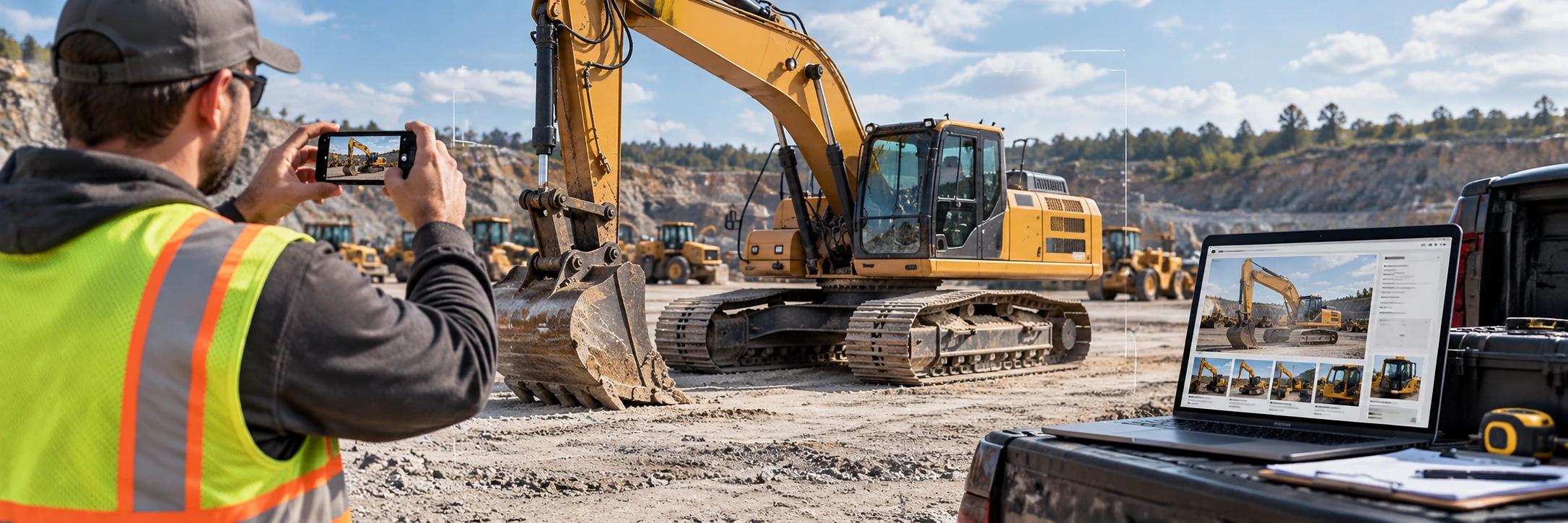
Equipment photos do more than help buyers judge condition. They also give search engines another way to understand a listing and can appear in image-focused search experiences when the page and files are crawlable. The goal is not to stuff keywords into every photo. It is to make each image useful, accessible, technically discoverable and tied to a strong inventory page.
1. Make important inventory images crawlable
Google's current image SEO guidance says images should be referenced in ways Google can crawl, including normal image elements with crawlable source URLs. If the primary machine photo exists only as a CSS background or behind a blocked delivery path, discovery can become harder. Keep a real image source on the listing page and make sure Googlebot is allowed to fetch it.
2. Use clear, high-quality photos that match the listing
Original photos of the actual machine are more useful to buyers than generic stock imagery. Show the equipment from multiple angles and include condition details that help a buyer evaluate the unit. Search optimization works best when the image genuinely supports the page's purpose.
3. Write alt text for the image's job
Alt text should describe the image in context. For an inventory hero image, that might identify the machine type, manufacturer, model and visible view when those details are known. Avoid repeating the same keyword list on every image. Different photographs can use different descriptive text when their content is meaningfully different.
4. Use understandable filenames
Google recommends descriptive image filenames because they can provide clues about subject matter. A filename such as 2021-cat-320-excavator-left-side.webp is more useful than IMG_8842.webp. Keep the naming system consistent and generate it from verified inventory fields rather than manually inventing attributes.
5. Give the image strong page context
Google uses surrounding page content to understand images. Inventory photos should live on a useful machine-detail page with a descriptive title, visible specifications, location, condition information, seller details and other verified facts. Good image SEO cannot compensate for a thin or duplicated listing page.
6. Balance image quality with page performance
Large photos should be delivered at appropriate dimensions and in efficient web formats supported by the site. Responsive image techniques can serve smaller files to smaller screens. Lazy loading can help below-the-fold galleries, but the primary hero image should still be implemented in a way that is discoverable and does not create a blank first view.
7. Keep image URLs stable when practical
Dealer inventory systems often reprocess and move photos. Stable, crawlable image URLs reduce unnecessary churn. If a CDN is used, confirm the image host is crawlable and that access rules do not unintentionally block search engines.
8. Keep structured data consistent with visible images
If a listing uses Product structured data, image references should describe the same machine shown on the visible page. Do not attach unrelated stock photos or images for a different unit simply to fill a schema property. The visible page remains the source of truth.
9. Consider image sitemaps when discovery is difficult
Google supports image information in sitemaps. This can be useful when important images are otherwise difficult to discover through normal crawling. It is not a substitute for strong internal links and crawlable listing pages.
Dealer image SEO checklist
- Actual unit photos, not generic substitutes.
- Crawlable image source URLs.
- Descriptive, factual filenames.
- Useful alt text based on what the photo shows.
- Efficient dimensions and delivery.
- Stable image URLs where practical.
- Visible listing facts and structured data kept consistent.
The takeaway
Heavy-equipment image SEO is mostly good inventory discipline: accurate photos, accessible markup, useful descriptions and fast delivery. Dealers that standardize those pieces create a better buyer experience and a cleaner search signal at the same time.
Related BigEquipCo guides: How to Photograph Heavy Equipment for Sale, Equipment Inventory Pages SEO and Heavy Equipment Dealer SEO.